A New York Harbor cruise is one of the easiest ways to see the city's biggest icons in a single, breezy hour or two: the Manhattan skyline, the Statue of Liberty, Ellis Island, and the bridges of the East River all line up from the open water. But the experience is a little different from a museum or a walking tour, and a few small decisions before you board can be the difference between a magical sail and a chilly, fidgety one. Here is the practical, no-fluff rundown of what to know before you go.
How a Harbor Cruise Actually Works
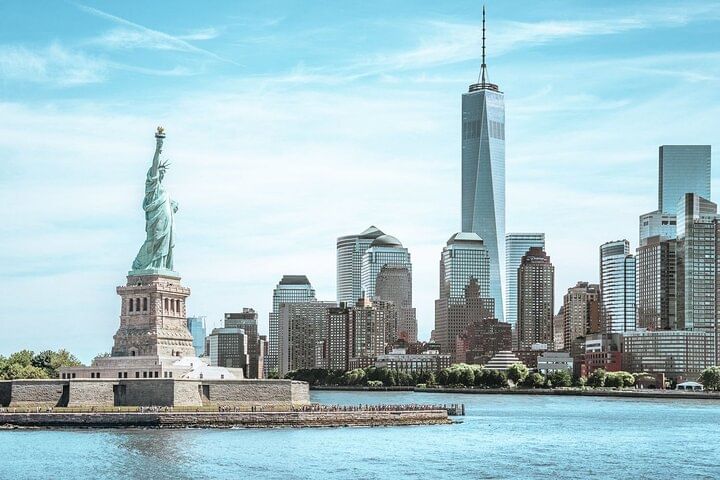
Most sightseeing cruises in New York are narrated round trips. You board at a pier in Lower Manhattan or Midtown, the boat heads down the Hudson and into Upper New York Bay for a close pass of Lady Liberty, then loops back, often with a swing past the Brooklyn Bridge and the Financial District skyline. Trips typically run between 45 minutes and 90 minutes depending on the route. Our flagship Statue of Liberty & Manhattan Skyline Sightseeing Cruise covers the full sweep of the harbor, while the 45 Minute Statue of Liberty Express Sightseeing Cruise is a quicker option if you are short on time. You stay aboard the whole trip; this is a sightseeing sail, not a ferry that drops you on Liberty Island.
When to Arrive
Plan to reach the pier at least 30 to 45 minutes before your scheduled departure. Boats leave on time and will not wait, and that buffer gives you room to find the correct dock, check in, use the restroom, and snag a good spot at the rail. New York traffic and subway delays are unpredictable, so build in margin, especially if you are coming from Midtown or another borough. If you want help mapping out the trip to the dock, our guide on how to get to the cruise departure point walks through the easiest routes.
What to Wear
Dress one layer warmer than the street feels. It is almost always cooler and windier out on the open harbor than on land, and the breeze off the water can cut even on a warm afternoon. A light jacket or windbreaker is smart in spring and fall; bring a real coat, hat, and gloves in winter. Closed, flat shoes beat heels on a moving deck, and a hair tie is your friend in the wind. Sunglasses and sunscreen matter more than people expect, because the sun reflects off the water. In summer, layers still help once the sun drops, particularly on a sunset cruise when the temperature falls fast after golden hour.
Weather and What Gets Cancelled
Cruises sail rain or shine in most conditions, and a light drizzle rarely cancels a trip; the enclosed lower decks keep you dry while you still see the sights through large windows. Operators only cancel for genuinely unsafe conditions such as high winds, storms, or dense fog, and in that case you are typically rebooked or refunded. A cloudy day is not a wasted one, since the skyline and the Statue still read beautifully against a moody sky and the crowds are thinner. If you are weighing seasons and times of day, our overview of the best time for a Statue of Liberty cruise breaks down the trade-offs.
Seasickness: Will You Feel It?
For the vast majority of passengers, the answer is no. New York Harbor is sheltered, the water is generally calm, and these are large, stable vessels, so it feels far gentler than open-ocean boating. If you are especially sensitive to motion, take a non-drowsy remedy about an hour before boarding, stay on a lower or mid deck near the center of the boat where movement is least, keep your eyes on the horizon or the skyline rather than your phone, and eat a light meal beforehand rather than boarding on an empty or overfull stomach. Fresh air on deck helps too.
Indoor vs. Outdoor Decks
Sightseeing boats usually have both climate-controlled indoor seating with big windows and open-air upper decks. The open deck is where the magic happens for photos and that wind-in-your-hair feeling as you pass the Statue, so head up top for the highlights and retreat inside to warm up between them. The best skyline shots come from the open rail, and our tips on skyline photography from the water cover light, angles, and where to stand. Arriving early pays off here, because the prime corners at the bow and the Statue-facing side fill up first.
Accessibility and Who It Suits
Harbor cruises are one of the most inclusive ways to see New York. Main decks are generally step-free and accessible, with restrooms aboard, and there is no walking or climbing required to enjoy the views, which makes a cruise a great fit for travelers with limited mobility, families with strollers, and grandparents alike. If you have specific access needs, such as elevator availability between decks or wheelchair seating, contact the team in advance through our contact page so they can advise on the best vessel and boarding. Larger parties celebrating together can also look at our group options.
Day, Sunset, or Night?
The same harbor delivers three very different moods. A daytime sail gives you crisp, detailed views of every building and the clearest look at the Statue's face and torch. A sunset cruise trades detail for romance as the skyline glows gold then violet. After dark, the Harbor Lights Night Cruise shows the city as a wall of glittering windows with the Statue floodlit against the black water. There is no wrong choice, only the one that fits your trip; our comparison of a day versus night cruise can help you decide.
Final Pre-Boarding Checklist
Before you leave the hotel: confirm your departure time and pier, charge your phone, pack a layer, and screenshot your ticket in case signal is spotty near the water. Bring a little cash for tips or the onboard bar, arrive early, and give yourself permission to put the camera down for at least one pass of the Statue so you actually see it with your own eyes. Browse all departures on our tours page to lock in your sail, and you are ready to enjoy New York from its best angle: the water.
Frequently asked questions
How early should I arrive before a NYC harbor cruise?+
What should I wear on a New York Harbor cruise?+
Will I get seasick on a harbor cruise?+
Do harbor cruises run in the rain?+
Are NYC harbor cruises accessible for wheelchairs and strollers?+
Should I choose a day, sunset, or night cruise?+
Book These Tours
See New York City from the water
Statue of Liberty & Manhattan skyline sightseeing cruises, sunset and harbor-lights night sailings, plus NYC observation decks and attraction tickets — book online with instant confirmation.
Browse all NYC cruises & tickets →